

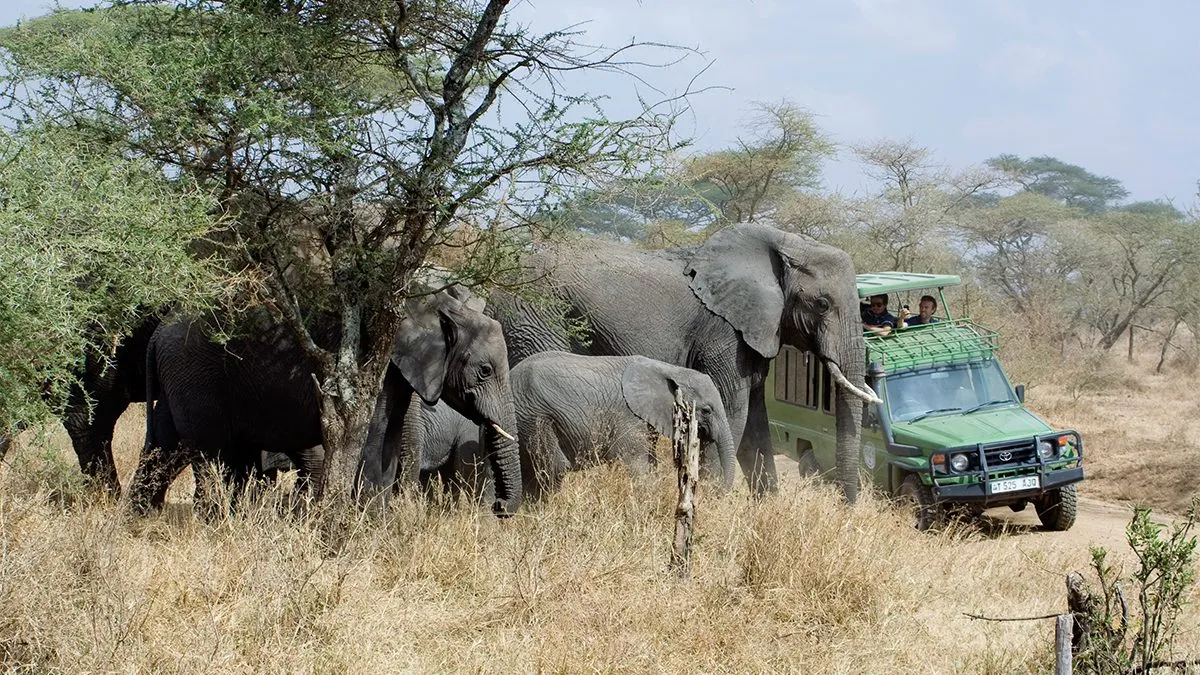

1. Outdoor Life: - Outdoor life refers to activities and experiences that take place in natural outdoor environments, such as forests, mountains, rivers, and national parks. - It encompasses a wide range of activities, including hiking, camping, birdwatching, fishing, hunting, wildlife photography, and nature exploration. - Outdoor life offers numerous physical and mental health benefits, including stress reduction, increased fitness, improved mood, and enhanced creativity. - It provides opportunities for individuals to disconnect from technology, bond with friends and family, and gain a deeper appreciation for the natural world. 2. Wildlife Watching: - Wildlife watching involves observing and studying wild animals in their natural habitats without disturbing or harming them. - It can be conducted in various locations, such as national parks, wildlife reserves, wetlands, and even in urban areas with significant wildlife populations. - Wildlife watching can be done with the naked eye or through the use of binoculars, spotting scopes, and cameras. - Popular animals that people enjoy watching include birds, mammals (such as deer, wolves, and bears), marine life (such as dolphins and whales), and reptiles (such as turtles and snakes). - Techniques for wildlife watching include patience, quietness, staying at a safe distance, and following ethical guidelines to ensure the welfare of both the animals and the observer.
3. Benefits of Wildlife Watching: - Wildlife watching offers a range of benefits, including educational, recreational, and conservation-related advantages. - It provides an opportunity to learn about different species, their behaviors, habitats, and ecological roles, fostering a better understanding and appreciation of biodiversity. - Wildlife watching can be a form of recreational and nature-based tourism, attracting visitors to natural areas and boosting local economies. - It promotes conservation by creating awareness about the importance of preserving habitats and protecting wildlife. - The aesthetic and emotional experiences of observing animals in the wild can lead to a sense of awe, tranquility, and connection with nature. 4. Responsible Practices: - Ensuring responsible wildlife watching is crucial for the well-being of the animals and their habitats. - Minimize disturbance by keeping a safe distance and avoiding actions that may alter the natural behaviors of wildlife. - Respect protected areas, follow designated trails, and adhere to regulations regarding feeding, approaching, or touching wildlife. - Use binoculars, telephoto lenses, or observation platforms to view wildlife from afar without encroaching on their space. - Help in conservation efforts by reporting any illegal activities or violations witnessed while wildlife watching.